The Future of Learning: Top Trends in AI-Powered Tutoring Tools for 2026
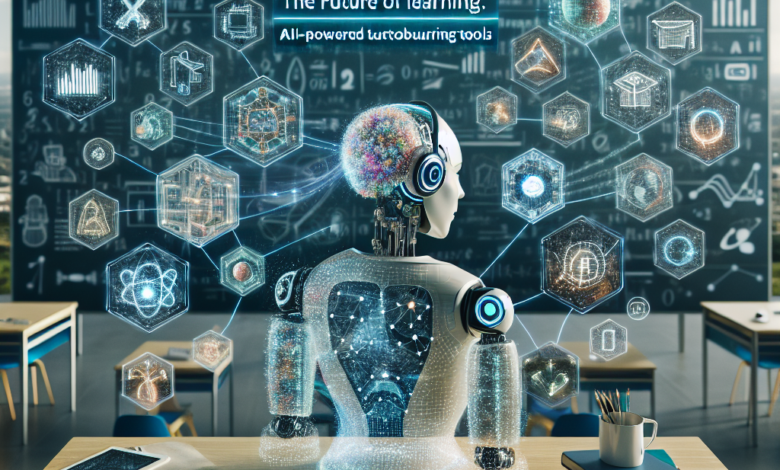
As we navigate through 2026, artificial intelligence (AI) continues to reshape the landscape of education. From personalized learning solutions to immersive virtual classrooms, AI is not just enhancing our educational methodologies but revolutionizing how we teach and learn. The integration of AI-driven tools is making education more accessible, efficient, and tailored to individual student needs, paving the way for a smarter future.
AI-Powered Tutoring Tools
AI tutoring systems are becoming increasingly prevalent, offering personalized assistance that caters to each student’s unique learning pace and style. These tools utilize algorithms and data analytics to monitor student progress and adjust learning materials accordingly.
Top AI Tutoring Tools in 2026
- ChatGPT Tutors: Utilizing natural language processing to engage with students conversationally.
- Carnegie Learning: Offers adaptive learning software that adjusts to each student’s skill level.
- Knewton: Provides personalized learning pathways based on student performance data.
For more insights on these systems, check out our article on AI in Education.
Personalized Learning: The AI Advantage
With AI technology, personalized learning is no longer a concept—it’s a reality. AI-enabled platforms analyze a variety of factors, from learning speeds to preferences, ensuring that education is tailored to fit each student. Here are key aspects of how AI creates personalized learning experiences:
Benefits of Personalized Learning AI
- Adaptive Learning: Continuously adjusts based on real-time feedback.
- Targeted Content: Delivers resources that match student interests and challenges.
- Performance Analytics: Tracks progress and identifies areas needing improvement.
Explore more about personalized tools in our piece on Personalized Learning with AI.
Virtual Classrooms with AI
The rise of virtual classrooms, powered by AI, has transformed the way students interact, collaborate, and learn. These platforms create immersive learning environments that break geographical barriers.
Key Features of AI-Driven Virtual Classrooms
- Real-Time Collaboration: Encourages group projects and discussions regardless of location.
- AI Moderators: Facilitate and monitor classroom dynamics for enhanced engagement.
- Intuitive Interfaces: Simplifies navigation and resource access for students and educators.
Conclusion: Embracing the AI Revolution in Education
In 2026, the integration of AI tools in education is not just enhancing learning; it is transforming it. Educators and institutions must keep up-to-date with these advancements to maximize their potential. We encourage educators to explore the myriad of AI-driven tools available, enabling a richer, more personalized education experience for every student.
What are your thoughts on AI in education? Share your experiences and insights in the comments below!


For authoritative insights regarding AI in education, you may find these resources useful: Education Week Study.