Navigating 2026: How AI-Powered Tutoring Tools Will Transform Personalized Learning in the Classroom
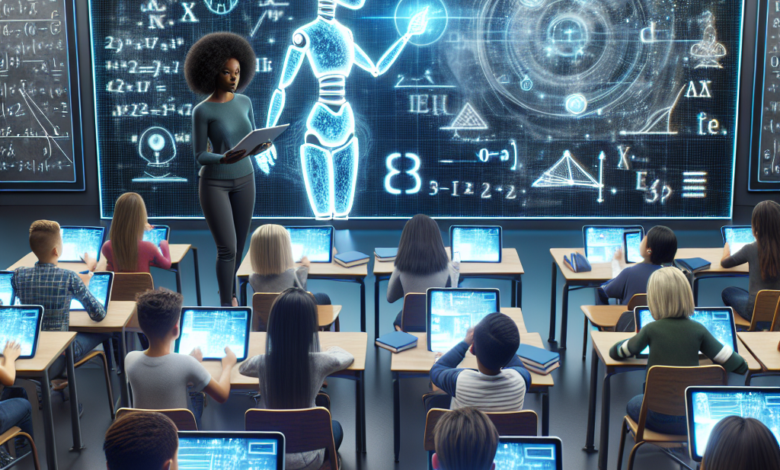
Transforming Education with AI
As we step into 2026, the landscape of education is being irrevocably transformed by artificial intelligence. From personalized learning pathways to fully interactive virtual classrooms, AI is not just enhancing the educational experience—it’s revolutionizing it. Educators and students alike are leveraging AI tools that offer personalized learning experiences suited to individual needs, fostering engagement and promoting academic growth.
AI-Powered Tutoring Tools
Among the most significant advancements, AI tutoring systems have emerged as indispensable resources in education. These platforms adapt to each learner’s pace, making education more inclusive and effective.
Key Features of AI Tutoring Systems
- Adaptive Learning: Adjusts difficulty and content based on student performance.
- Real-Time Feedback: Offers instant responses, helping learners correct mistakes immediately.
- Data-Driven Insights: Analyzes user engagement patterns to suggest tailored interventions.
Popular AI tutoring tools include Khan Academy and Chegg Tutors. These platforms exemplify the potential of AI to provide personalized learning experiences.
Personalized Learning through AI
In 2026, personalized learning AI systems are enabling educators to cater to diverse learning styles and capabilities. With the ability to analyze and predict student learning behaviors, these tools are setting a new standard for education.
Benefits of Personalized Learning AI
- Tailored Curriculum: Learners receive content that is best suited to their individual needs.
- Increased Engagement: Interactive lessons captivate student interest more effectively.
- Scalability: Enables teachers to manage larger classrooms with diverse learning levels.
To learn more about how AI revolutionizes personalized education, visit our article on AI in Education.
Virtual Classrooms with AI
The integration of AI into virtual classrooms is not just about convenience; it’s about creating richer educational experiences. These technologies provide a platform where students from diverse geographical locations can learn together, connected by the omnipresent nature of AI.
Features of Virtual Classrooms with AI
- Interactive Simulations: Allows practical learning experiences in a virtual setting.
- AI Facilitators: Utilize AI to lead discussions and maintain student interactions.
- Content Recommendation Engines: Suggest relevant resources based on student interests.
Research conducted by Education Corner shows students find AI-driven virtual classrooms to be significantly more engaging and effective than traditional methods.
Image Suggestions
- AI-powered tutoring: alt=”AI-powered tutoring system” />
- Virtual classrooms with AI: alt=”Virtual classroom with AI integration” />
- Personalized learning with AI: alt=”Personalized learning powered by AI” />