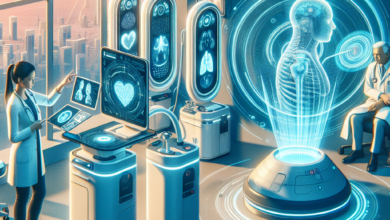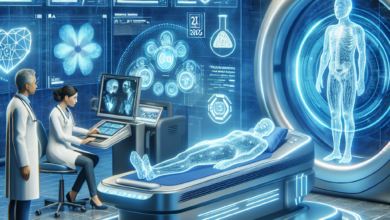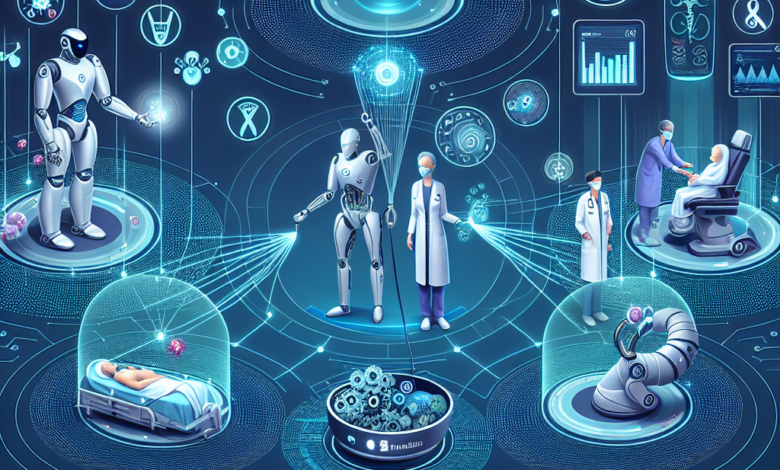
In 2026, Artificial Intelligence (AI) is not just a buzzword but a cornerstone of the healthcare industry. As the synergy between technology and medicine continues to advance, AI tools are revolutionizing how healthcare providers approach patient care, diagnostics, and medical processes. From AI-powered diagnostics to healthcare automation, the critical role of AI in improving patient outcomes and streamlining medical workflows is evident. This article explores some of the most impactful AI tools for healthcare in 2026.
AI for Diagnostics
AI for diagnostics is paving the way for faster and more accurate detection of diseases. Here are some of the most influential tools making waves in this arena:
- IBM Watson for Health: Leveraging big data and machine learning for precision diagnostics.
- Google DeepMind: Advanced algorithms that assist in diagnosing eye diseases and cancers.
- Tempus: Using AI to analyze clinical and molecular data for personalized medicine.
AI-Powered Diagnostics: Benefits
The advantages of using AI tools for diagnostics are numerous:
- Increased speed of diagnosis.
- Reduction in human error.
- Enhanced predictive capabilities.
Medical Imaging and AI
AI is also transforming the field of medical imaging, making it easier and more efficient for healthcare professionals to interpret images. Some notable AI medical imaging tools include:
- Aidoc: Real-time analysis of radiology images.
- Fujifilm’s AI Radiology: Automating image analysis for quick reporting.
- Enlitic: Deep learning algorithms to enhance image accuracy.
Applications of AI in Medical Imaging
AI-powered medical imaging offers several key benefits:
- Improved accuracy in detecting anomalies.
- Rapid analysis leading to timely patient care.
- Reduced workload for radiologists.
For more insights, check out our article on AI in medical imaging.
Healthcare Automation with AI
Automation in healthcare is another critical area where AI is making strides. Here are some powerful AI tools that streamline healthcare operations:
- Chatbots for Patient Interaction: Tools like Ada Health provide 24/7 assistance.
- EHR Systems: AI-integrated Electronic Health Records, enhancing data management.
- Predictive Analytics: Apps like Qventus optimize hospital operations by predicting admission rates.
Benefits of Healthcare Automation
The advantages of implementing AI in healthcare automation include:
- Enhanced patient engagement.
- Streamlined administrative tasks.
- Data-driven decision-making for better clinical outcomes.
For additional information, read more about AI for healthcare.