Top 5 AI-Powered Tutoring Tools Revolutionizing Education by 2026: Insights for Educators

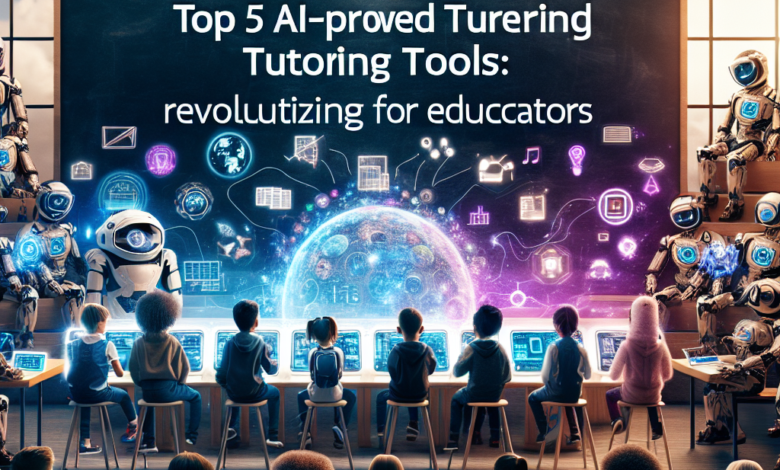
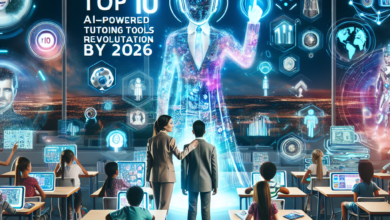
In 2026, the landscape of education has transformed dramatically thanks to AI technologies. From personalized learning experiences tailored to individual needs to immersive virtual classrooms that bridge geographical barriers, AI is solving age-old challenges in education. This article explores how artificial intelligence is reshaping the educational environment, enhancing learning outcomes, and preparing students for the future.
AI-Powered Tutoring Tools
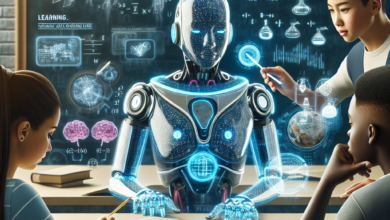
AI tutoring systems have emerged as a pivotal solution for personalized learning. These tools leverage sophisticated algorithms to adapt to the learning pace and style of students. The following are some powerful AI tutoring tools making waves in education:
- Chatbots: AI-driven chatbots provide 24/7 assistance to students, answering questions and offering resources instantly.
- Interactive Learning Platforms: Tools like Khan Academy use algorithms to tailor resources and lessons to fit the unique learning needs of each student.
- Assessment Tools: AI systems can assess student progress in real-time, offering feedback and suggesting areas of improvement automatically.
Personalized Learning with AI
Personalized learning AI has taken educational customization to new heights. By analyzing data sets from student interactions, these tools create individualized learning paths focused on each learner’s strengths and weaknesses. Here are key features of personalized learning AI:
- Adaptive Content Delivery: Lessons are customized based on the learner’s past performance.
- Learning Analytics: Tracking student progress to provide actionable insights for educators.
- Gamification: Engaging students through game-like elements tailored to their unique learning styles.
Key Benefits of Personalized Learning AI
The integration of AI into personalized learning has numerous advantages:
- Enhanced Engagement: Students are more likely to stay engaged when learning materials are aligned with their interests.
- Improved Outcomes: Personalization helps to identify areas where students may struggle, allowing for targeted support.
- Flexible Learning Environments: Students can learn at their own pace, anywhere and anytime.
Virtual Classrooms with AI
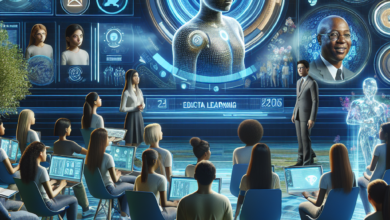
The rise of virtual classrooms powered by AI has redefined educational accessibility. These environments create immersive experiences that mimic traditional classrooms while offering enhanced features:
Features of AI-Powered Virtual Classrooms
- Real-Time Collaboration: Students can work together on projects regardless of their physical location.
- AI Moderation: Facilitates classroom management and engagement through automated insights.
- Resource Accessibility: Instant access to a wealth of educational resources and materials.
Impact of Virtual Classrooms
AI-driven virtual classrooms foster inclusivity and flexibility, enabling diverse groups of students to participate fully in their education. For an in-depth look at the effects of AI on classroom dynamics, check out our article on AI in Education.
Conclusion
As we look forward to the future, it’s clear that AI tools will continue to shape the educational landscape, offering innovative solutions for personalized learning and virtual classrooms. Educators are encouraged to explore these AI tools and evaluate how they can enhance teaching and learning experiences.
Join the conversation! Share your thoughts on the impact of AI in education in the comments below.
For further reading, explore the latest research studies on AI in education to better understand its transformative potential.