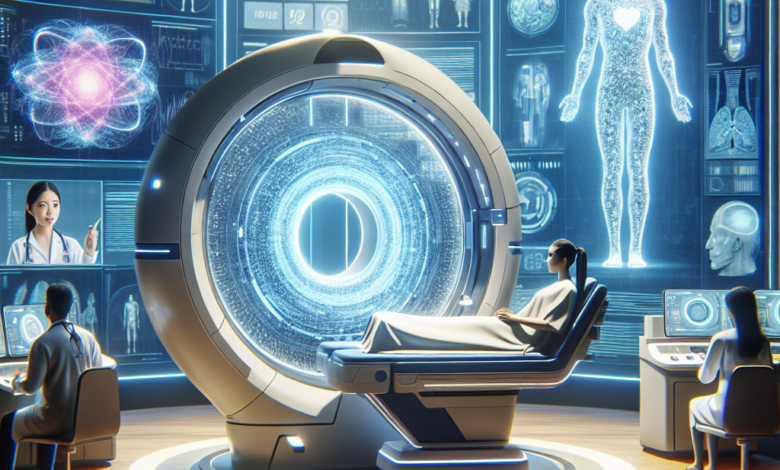
Transforming Healthcare with AI: A 2026 Perspective
In 2026, artificial intelligence (AI) has become a cornerstone of healthcare innovation, streamlining processes and enhancing patient outcomes. The integration of AI tools in diagnostics, medical imaging, and healthcare automation is reshaping how we think about patient care. With AI-driven solutions, healthcare professionals can offer more accurate diagnoses, personalized treatment plans, and efficient management of healthcare resources.
AI for Diagnostics
AI for diagnostics is one of the most thrilling advancements in healthcare. In 2026, several AI tools streamline the diagnostic process, helping physicians make better-informed decisions. Here are some of the most impactful tools:
- IBM Watson Health: Enhances clinical decision support with vast databases of medical knowledge.
- Tempus: Integrates AI to analyze genomic data for personalized cancer treatment.
- Google DeepMind: Utilizes deep learning for early detection of diseases like diabetic retinopathy.
For further reading on advances in AI technology for diagnostics, check our article on AI Diagnostics.
AI-Powered Medical Imaging
Medical imaging technologies powered by AI are revolutionizing the way clinicians interpret imaging data. Here are key AI tools making waves in medical imaging:
- Siemens Healthineers AI: Analyzes imaging data to detect abnormalities at a fraction of the time.
- GE Healthcare’s Edison: Facilitates image analysis and prioritization of urgent cases.
- AIDoc: Provides real-time analysis of CT scans to identify critical medical conditions.
Learn more about cutting-edge imaging technologies in our guide on AI in Medical Imaging.
Healthcare Automation with AI
Automation using AI technologies in healthcare is improving operational efficiencies and patient engagement. Key AI automation tools include:
- Chatbots: Providing 24/7 support and answering FAQs.
- Electronic Health Records (EHR): Automated data entry and patient management.
- Remote Monitoring Tools: Monitor patients’ health metrics in real-time for proactive care.