AI for Automation in 2026: Top 5 Trends Shaping the Future of Industrial Robotics

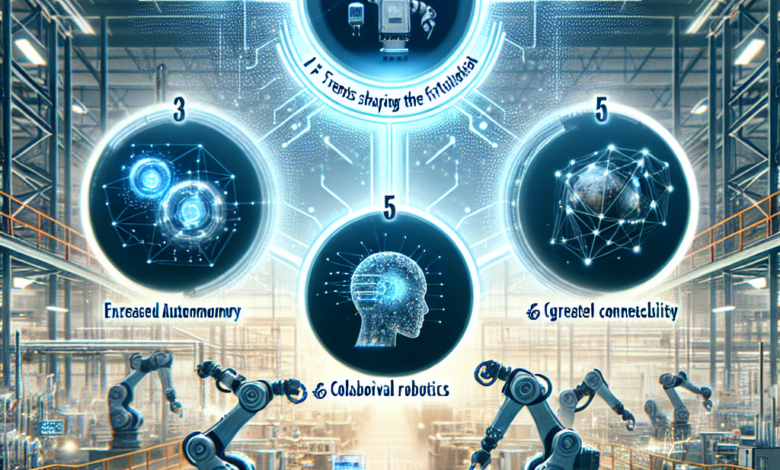
The year 2026 marks a transformative era in industries worldwide, with Artificial Intelligence (AI) emerging as a pivotal driver of automation. As businesses increasingly turn to robotic process automation (RPA) and AI-powered robotics, the potential for enhanced efficiency, reduced costs, and higher productivity is greater than ever. This article explores the current landscape of AI in automation and what the future holds for robotics in business.
Understanding Robotic Process Automation (RPA)
Robotic Process Automation is revolutionizing how businesses operate. RPA enables organizations to automate repetitive and mundane tasks, allowing employees to focus on more strategic initiatives.
What is Robotic Process Automation?
- Automates routine tasks such as data entry and invoice management.
- Integrates seamlessly with existing IT infrastructure without requiring major upgrades.
- Improves compliance by reducing human error in documentation.
Key Benefits of RPA
- Increased efficiency and speed of operations.
- Cost savings through reduced labor costs.
- Enhanced customer satisfaction by speeding up service delivery.
Learn about AI in manufacturing here.
AI-Powered Robotics: A Leap into the Future
As we advance into 2026, AI-powered robotics is set to transform industries by integrating cognitive capabilities with physical robots. AI robotics systems can learn from their environment, adapt to changes, and make data-driven decisions.
Applications of AI in Robotics
- Manufacturing: Intelligent robots facilitate smart manufacturing, enhancing precision and productivity.
- Logistics: Autonomous mobile robots optimize warehouse operations and delivery systems.
- Healthcare: Robots assist with surgeries and patient care, improving outcomes.
Industrial Automation with AI
Integrating AI into industrial automation processes brings a new level of intelligence, providing businesses with a competitive edge. The rise of smart factories powered by AI automates production and enhances decision-making processes.
Benefits of Industrial Automation with AI
- Real-time data analytics for informed decision-making.
- Predictive maintenance to reduce downtime.
- Improved supply chain management through AI forecasts.
Explore more about robotics automation tools here.
Key AI Tools for Automation in 2026
- UiPath: Popular for its ease of use in RPA implementations.
- Blue Prism: Known for its robust security features.
- ABB Robotics: Offers customizable solutions for various industrial applications.
- Automation Anywhere: Provides a comprehensive digital workforce platform.
Conclusion: Embrace the Future of AI Automation
As AI continues to shape the future of business operations in 2026 and beyond, the transition to automated systems is not only beneficial but necessary for competitive viability. Companies that embrace AI automation and robotics AI systems will undoubtedly pave the way for innovation and growth. Explore different automation tools and share your experiences with implementing AI in your business.
What AI tools have you found most effective in your automation journey? Leave your comments below!
For more insights on AI in robotics and automation, check out Forbes’ insights on AI and machine learning trends.
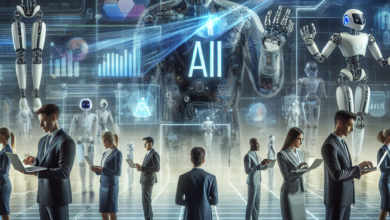
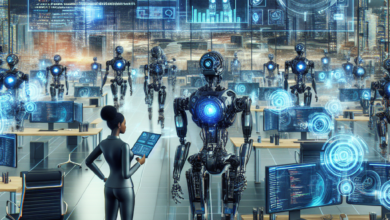
Image suggestions: AI robotics systems (Alt text: “AI robotics systems in action”) and robotic process automation tools (Alt text: “Overview of robotic process automation tools”).