Unlocking Creativity: How AI is Revolutionizing the Creative Industry
Introduction
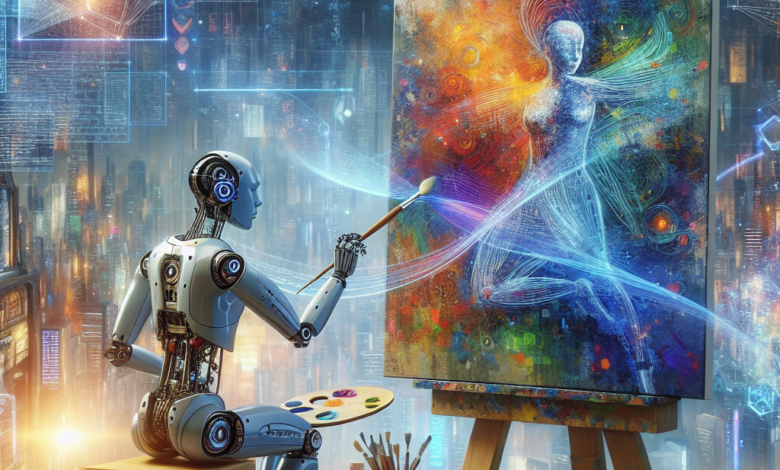
As we step into 2026, the creative landscape has been irrevocably transformed by the emergence of AI creativity tools. These advanced technologies are reshaping the workflows of artists, designers, and marketers alike, enabling unprecedented levels of creativity and efficiency. From generating music to producing stunning visuals, AI tools are not just enhancing the capabilities of creators but are also redefining how creative content is conceptualized, produced, and delivered. In this article, we will explore the role of AI creativity tools in facilitating an innovative environment where human imagination and machine intelligence coexist harmoniously.
What Are AI Creativity Tools?
AI creativity tools are sophisticated software solutions powered by artificial intelligence that assist in the generation and refinement of creative outputs. These tools leverage machine learning algorithms to automate repetitive tasks, provide design suggestions, enhance audio compositions, and even contribute to storytelling in writing. By incorporating features like natural language processing, computer vision, and sound synthesis, these tools have become indispensable partners for creators in various disciplines, including:
- Content Creation: Blogs, articles, social media posts.
- Art Generation: Digital paintings, illustrations, and graphic design.
- Music Composition: Melodies, harmonies, and arrangements.
- Video Production: Editing, special effects, and animations.
Key Benefits of AI Creativity Tools
AI creativity tools bring a multitude of benefits to creators by streamlining complex processes, thus enhancing overall productivity and creativity. Here are some of their key advantages:
1. Increased Productivity
AI tools automate mundane tasks that typically consume valuable time. This allows creators to focus on strategic decision-making and higher-level creative processes.
2. Enhanced Idea Generation
AI can analyze countless data points to suggest innovative ideas, sparking creativity and encouraging out-of-the-box thinking.
3. Workflow Automation
By automating repetitive tasks, these tools facilitate smoother workflows, enabling creators to meet deadlines and manage multiple projects simultaneously.
4. Collaborative Potential
AI tools are designed to work alongside human creators, offering suggestions and enhancements while maintaining the unique style and voice of the individual.
Best AI Tools for Creativity
Let’s delve into some of the best AI creativity tools currently available, each designed for specific applications:
1. Artbreeder
Artbreeder allows artists to create new images by blending existing ones using AI algorithms. This tool is ideal for character design, concept art, and landscape generation.
2. DALL-E 2
OpenAI’s DALL-E 2 generates unique images from textual descriptions. It’s a game-changer for illustrators and marketers looking to create custom visuals without starting from scratch.
3. Amper Music
Amper Music enables users to compose original music tracks with AI assistance. This tool is particularly useful for video producers and game developers seeking royalty-free music.
4. Copy.ai
This AI writing assistant specializes in generating marketing copy, product descriptions, and even blog post ideas. It’s perfect for content marketers and social media managers.
5. Runway ML
Runway ML offers advanced video editing features powered by AI. It provides capabilities like background removal and footage enhancement, making it a favorite among video creators.
6. Canva
Canva has integrated AI features that assist in graphic design, offering layout suggestions and design elements based on user input, making it accessible for non-designers.
How Creators Use AI Tools
Many creators are leveraging AI creativity tools in unique ways. For instance:
-
Graphic Designers: Use DALL-E and Canva for rapid prototyping of visual concepts, allowing for quick iteration and client feedback.
-
Musicians: Employ Amper Music to quickly generate background scores, enabling them to focus on lyrics and vocal arrangements.
- Writers: Utilize Copy.ai to brainstorm ideas for blog posts, enhancing their creative writing process to meet content deadlines without mental fatigue.
Real-World Examples
-
Adobe’s AI Features: Adobe has introduced several AI enhancements in its Creative Cloud suite, enabling users to automate image enhancements and generate smart suggestions.
- Marketing Campaigns: Companies like Nike and Starbucks have employed AI tools to analyze consumer behavior data, leading to more targeted marketing strategies.
Tips for Maximizing Creativity with AI
To truly harness the potential of AI creativity tools, follow these actionable tips:
-
Experiment with Settings: Each tool has customizable options. Spend time experimenting to discover what settings yield the best results for your projects.
-
Combine Tools: Don’t limit yourself to one tool. Use multiple AI applications in tandem (e.g., generate images with DALL-E and write accompanying text with Copy.ai).
-
Maintain Your Voice: Always review and refine AI-generated content to ensure it aligns with your unique style.
- Stay Updated: New features and tools are always emerging. Stay abreast of trends in AI creativity tools to keep your skills and toolkit relevant.
Challenges and Limitations
While AI creativity tools can significantly enhance creative workflows, they are not without limitations. Some challenges to consider include:
1. Quality of Output
AI-generated content sometimes lacks the nuance and emotional depth that human creators can impart. This raises questions about the quality and effectiveness of automated work.
2. Originality Concerns
With AI creating art, music, and writing, issues around originality and copyrights have emerged, demanding careful consideration from creators.
3. Ethical Considerations
The use of AI in creative processes raises ethical concerns about authorship and representation, pushing creators to navigate new moral landscapes.
The Future of AI Creativity Tools
The future of AI creativity tools looks promising, characterized by continuous innovation and integration of cutting-edge technologies. Upcoming trends include:
-
Enhanced Personalization: AI tools will evolve to offer more tailored suggestions based on individual creator preferences.
-
Collaborative Platforms: More platforms will emerge that facilitate collaboration between AI and human creators, combining strengths for enhanced outcomes.
- Interdisciplinary Solutions: Future tools will likely integrate features spanning multiple creative fields, allowing for seamless crossover from music to visual arts to writing.
Conclusion
The importance of AI creativity tools in today’s fast-paced creative landscape cannot be overstated. As these technologies continue to advance, they pave the way for enhanced creativity, productivity, and collaboration. Creators are encouraged to experiment with AI tools, exploring their capabilities to unlock new potentials in their work. By understanding and effectively utilizing these resources, artists, designers, and marketers can stay ahead in a rapidly evolving creative world.
Meta Description: Discover how AI creativity tools are revolutionizing creative workflows for artists, designers, and marketers in 2026. Explore their benefits and applications!
WordPress Excerpt: Explore the transformative impact of AI creativity tools on artists, designers, and marketers in 2026, and discover their benefits and practical applications.
