Top 2026 Trends in AI-Powered Tutoring: How to Optimize Learning Experiences
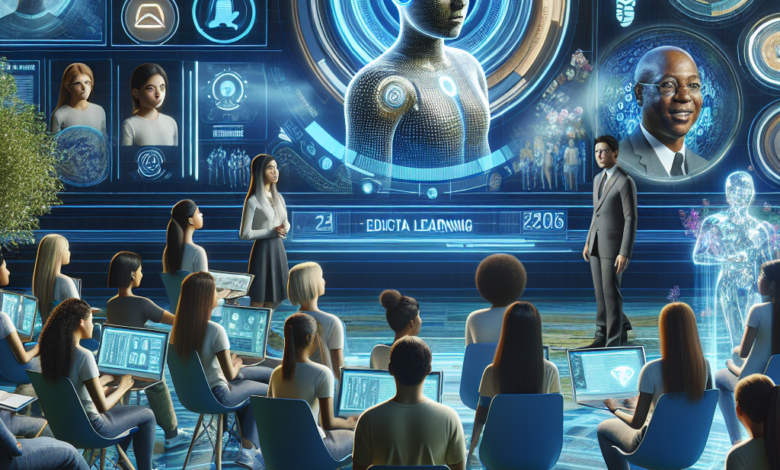
The Transformation of Education through AI in 2026
In 2026, the integration of AI in education has reached unprecedented levels. From personalized learning systems to fully immersive virtual classrooms, AI is reshaping how educators and learners interact. With the ability to tailor education to individual needs and preferences, AI is paving the way for a more effective and engaging learning environment.
AI-Powered Tutoring Tools
One of the most significant advancements in educational technology is the emergence of AI tutoring systems. These tools offer personalized support to students, adapting to their learning styles and pace. Here are some of the most impactful AI-powered tutoring tools in 2026:
- SmartTutor: Utilizes adaptive learning algorithms to customize lessons based on real-time student performance.
- EduMentor: Offers interactive problem-solving sessions powered by AI to reinforce critical thinking skills.
- LearnMate: Combines AI with gamification to make learning more engaging.
- QuizBot: Generates quizzes tailored to the learner’s curriculum gaps identified through AI analysis.
Personalized Learning
Why AI is Essential for Personalized Learning in 2026
AI has revolutionized personalized learning by providing tailored content and feedback, ensuring that each student receives the support they need. Here are some key advantages of using AI for personalized learning:
- Adaptive Learning Paths: AI algorithms create unique learning paths based on individual student progress.
- Real-Time Feedback: Immediate insights help students understand their mistakes and improve swiftly.
- Engagement Tracking: AI monitors student engagement levels to adjust content delivery accordingly.
To delve deeper into this subject, check out our related article on Personalized Learning with AI.
Virtual Classrooms with AI
The concept of virtual classrooms has evolved dramatically in 2026, largely due to AI innovations. Here are the key features that make AI-enhanced virtual classrooms unique:
- Interactive AI Teaching Assistants: Available 24/7 to assist students with questions.
- Augmented Reality (AR): Incorporates real-world experiences into curriculum delivery for enhanced engagement.
- Data Analytics: Provides educators with insights on class performance to refine teaching methods.
Learn more about the implications of AI in education in our article on AI in Education.
Conclusion: Embracing AI for Educational Growth
As we embrace the advancements of 2026, it’s clear that AI tools are becoming indispensable in the educational landscape. From personalized learning environments to efficient virtual classrooms, AI is enhancing the quality of education. Educators and institutions are encouraged to explore these innovative tools that not only promote academic success but also foster a lifelong love for learning.
We invite you to comment below on your experiences with AI in education or your thoughts on its future potential!