2026 Trends in AI-Powered Diagnostics: How to Stay Ahead in Healthcare Innovation
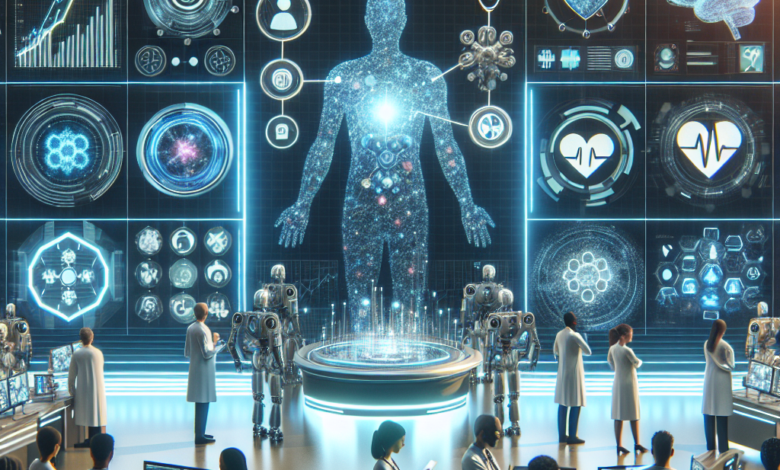
In 2026, artificial intelligence (AI) is no longer the future of healthcare; it is the present. With its transformative capabilities, AI is enhancing patient care, streamlining medical processes, and enabling healthcare providers to make more informed decisions. As technology advances, the landscape of healthcare is shifting toward a model where precision and efficiency become the norm, thanks to cutting-edge AI tools.
The Role of AI in Revolutionizing Healthcare
AI impacts various healthcare sectors, but its most crucial contributions are seen in diagnostics, medical imaging, and healthcare automation. Here’s how:
AI for Diagnostics: Enhancing Accuracy and Speed
AI-powered diagnostics are reshaping the way healthcare providers assess and treat patients. By utilizing vast datasets and complex algorithms, these tools can identify diseases at an unprecedented accuracy rate.
- Predictive Analytics: AI algorithms analyze patient histories to predict potential health risks.
- Genomic Analysis: Tools like GRAIL use AI to detect cancer in its earliest stages through genetic analysis.
- Symptom Checkers: Applications such as Babylon Health utilize AI to provide preliminary diagnoses based on user input.
AI-Powered Medical Imaging: A Giant Leap Forward
Medical imaging AI tools are helping radiologists improve diagnostic accuracy and decrease turnaround times:
- Image Recognition: AI algorithms like those developed by Zebra Medical Vision accurately analyze medical images for abnormalities.
- Radiomics: This AI tool extracts large amounts of features from medical images, leading to better treatment strategies.
- Automated Reporting: Systems such as Aidoc expedite the analysis of CT scans, providing instant reports to physicians.
Healthcare Automation: Streamlining Administrative Tasks
AI also plays a critical role in automating various administrative functions in healthcare:
- Scheduling Systems: AI tools streamline appointment scheduling, reducing no-show rates.
- Telehealth Services: AI chatbots provide 24/7 assistance, helping patients navigate their healthcare journeys.
- Billing Automation: AI solutions like Olive reduce billing errors and enhance the revenue cycle.
Exploring More AI Tools in Healthcare
For more insights into how AI is reshaping healthcare, check out our related articles on AI for Healthcare and AI in Medical Imaging.
Conclusion: Embracing the Future with AI
The evolution of AI tools in healthcare is only just beginning. As we move forward, it’s essential for both healthcare providers and patients to embrace these advancements to improve outcomes and streamline care. What has your experience been with AI in healthcare?
Please leave a comment below to share your thoughts or experiences with AI healthcare tools!

